
Animals
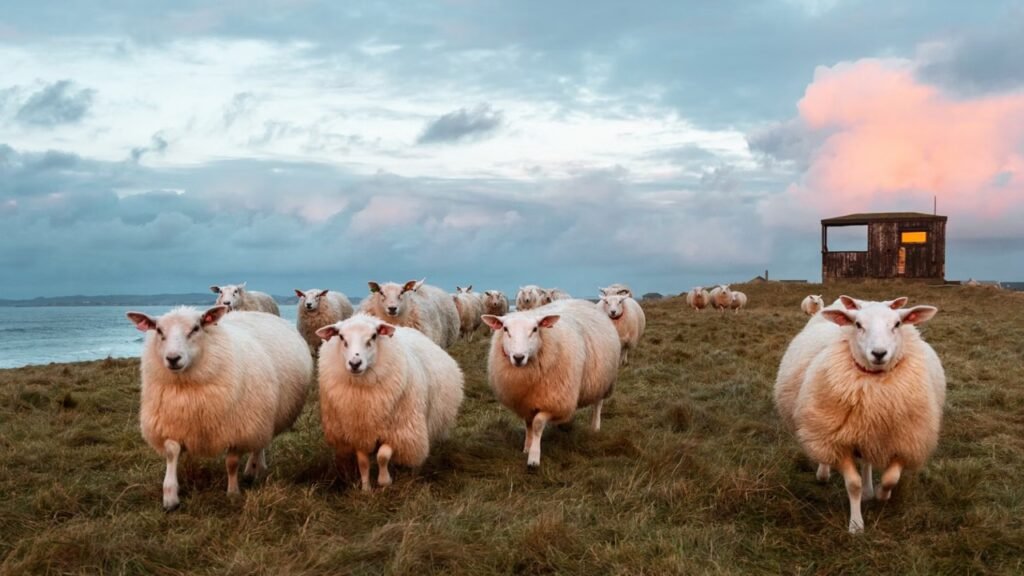
This A2 lesson covers animal vocabulary, adjectives for describing animals, and the difference between wild and domesticated animals. Students name animals from pictures, read three short texts with gap-fill exercises, and compare animals using simple adjectives. It ends with a fun 20 Questions guessing game that keeps beginners talking right up to the end of class.
Lesson overview
- Learn animal names and adjective pairs like fast/slow, gentle/aggressive, and wild/domesticated
- Read three short texts about animals and fill in missing vocabulary from context
- Practice comparing animals using simple descriptions and opposite adjectives
- Play a 20 Questions guessing game to practice yes/no questions about animals
| Level | Vocabulary | Lesson Time |
| A2 / Pre-Intermediate | 20 words | 60 min |
Vocabulary
- Fast
- Cute
- Lazy
- Strong
- Quiet
- Dangerous
- Gentle
- Scary
- Smart
- Wild
- Weak
- Friendly
- Slow
- Aggressive
- Domesticated
- Ugly
- Dumb
- Active
- Harmless
- Loud
Contents
- Lead-in
- Vocabulary
- Reading
1. Animals are special
2. The best pets
3. Domesticated vs Wild animals - Agree or disagree
- Guess the animal
- Compare the animals
- Game: 20 questions
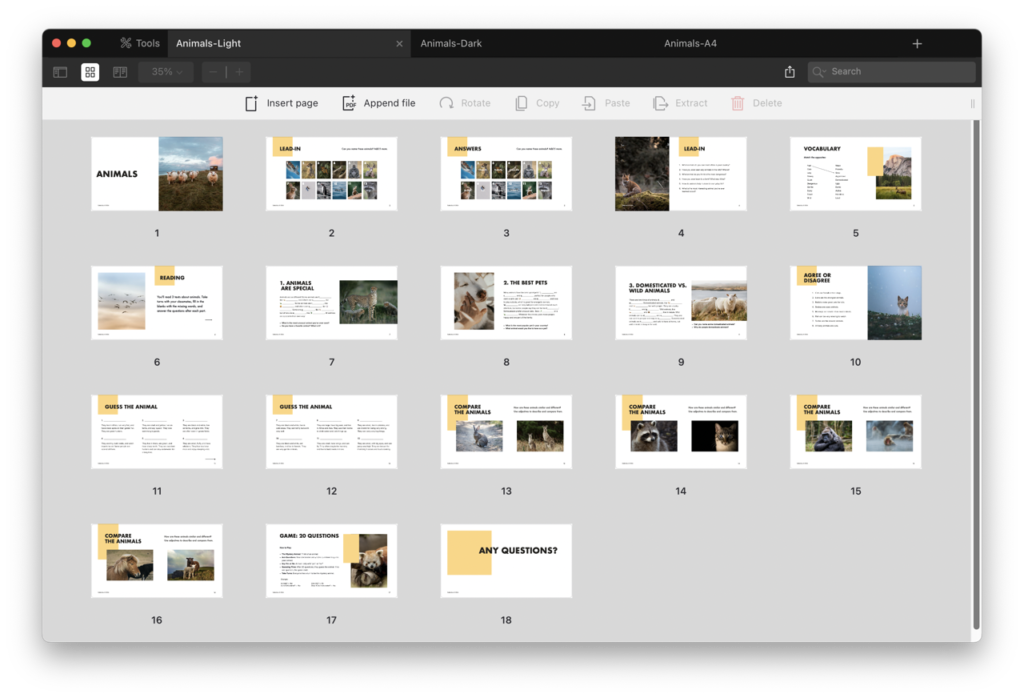
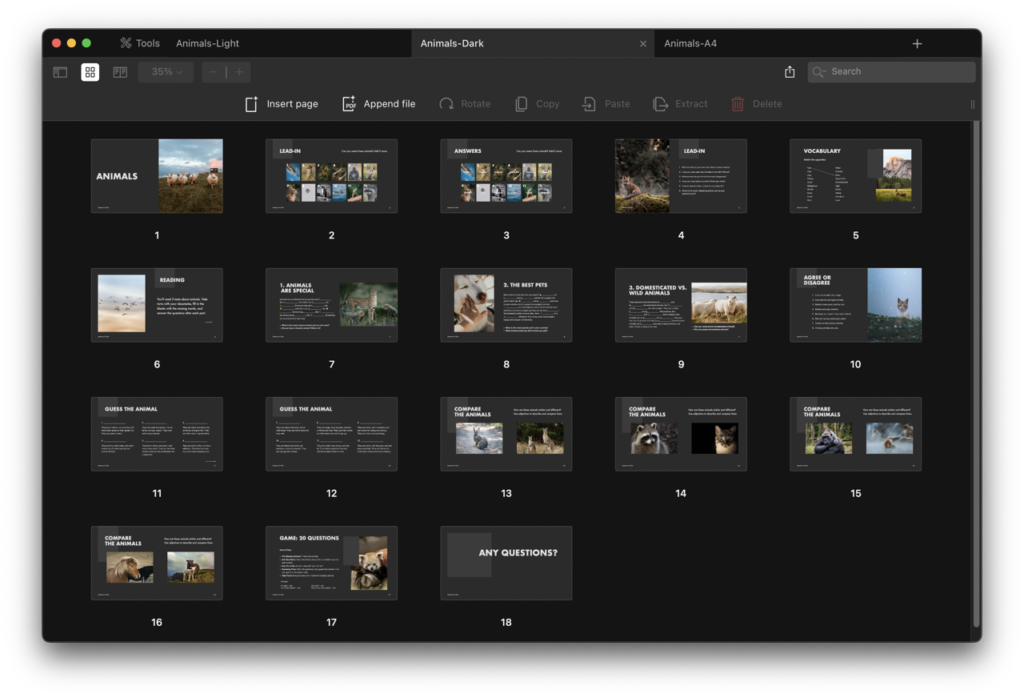
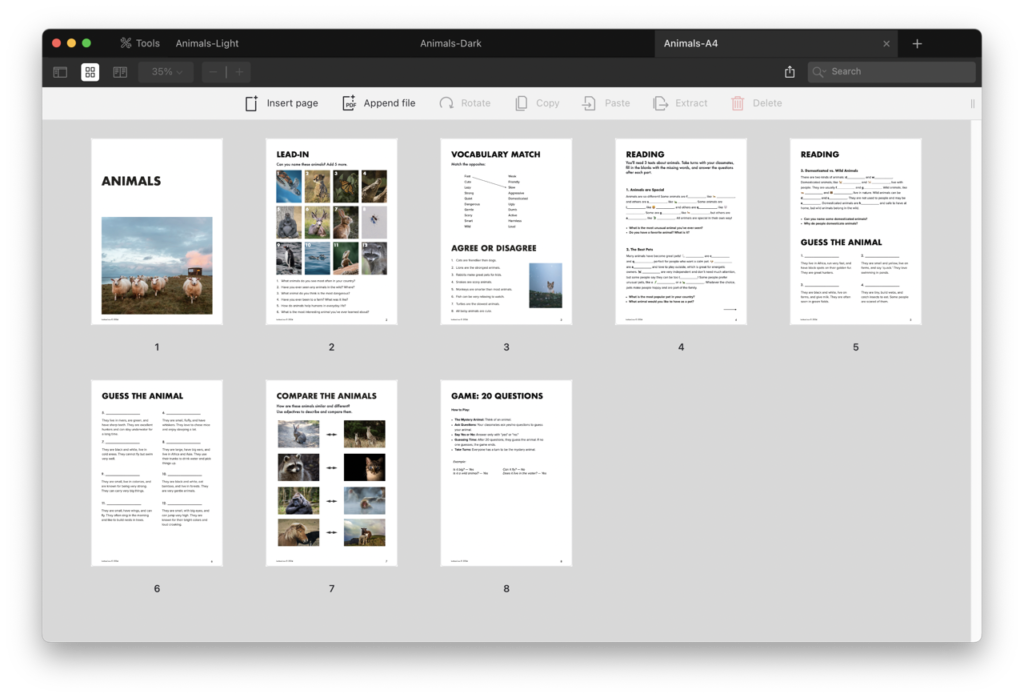
Start with the pictures on slide 2. Students try to name the 12 animals, then add five more of their own. At A2 level, some will know most of these while others might struggle with words like “raccoon” or “cheetah.” Go through the answers on slide 3, then move to the lead-in questions on slide 4. Keep it simple and give students time to think. Questions about animals they see in their country and whether they’ve been to a farm usually get the best responses from beginners.
The adjective matching on slide 5 is quick but important because students need these words for the reading and speaking activities later. Have pairs match the opposites, then check together. The three reading texts on slides 7 through 9 are short gap-fills where students complete missing adjectives and animal names. Each text has a slightly different angle: what makes animals special, pets, and wild versus domesticated animals. Read them one at a time and discuss the questions after each one. Don’t rush through all three at once.
The agree or disagree statements on slide 10 are good for a quick opinion swap in pairs. Then move to the “guess the animal” descriptions on slides 11 and 12. Read the clues aloud or let students read them in pairs and write their answers. Most A2 students can guess these, which builds confidence. The comparison activities on slides 13 through 16 ask students to look at animal pairs and describe how they’re similar and different. Model the first one together so they see what kind of sentences you want.
Finish with the 20 Questions game. One student thinks of an animal and the class asks yes/no questions to guess it. Go through the example on the slide first so everyone understands the format. This game is perfect for A2 because it practises question formation in a low-pressure way, and students always want to play extra rounds.
